
- Oregon PIP Insurance Accepted
Motor Vehicle Accident Recovery
Precision Structural Assessment. Targeted Neuromodulation. Organized Healing.
A motor vehicle accident is not simply a sore neck. It is a structural and neurological event that can affect spinal alignment, ligament stability, fascial integrity, and autonomic nervous system regulation throughout the body.
- Oregon PIP Accepted
- Structured Documentation
- Individualized Planning
- Many feel fine immediately after impact — symptoms often emerge days later.
- Understanding Your Body's Response

Why Symptoms Develop After an Accident
Acceleration–deceleration forces place stress across multiple systems in your body. Inflammatory and neurological responses evolve over time — not all at once.

Delayed Symptoms Are Common — and Real
Imaging may appear normal while functional disruption persists. Recovery often requires restoring stability, mobility, and regulation — not simply “waiting it out.”
- Neck stiffness
- Shoulder pain
- Brain fog or slowed processing
- Sleep disruption
- Heart palpitations
- Mid-back or low back pain
- Headaches
- Irritability or anxiety
- Digestive changes
- Reduced coordination
Cervical & Thoracic Spine
Lumbar Spine & Sacrum
Muscles & Ligaments
Neural & Autonomic Systems
- Beyond Muscle Tension
What Differentiates Our Approach
Most post-accident care focuses primarily on muscle tension. We assess and address the deeper drivers that commonly prolong symptoms.
Ligament Integrity
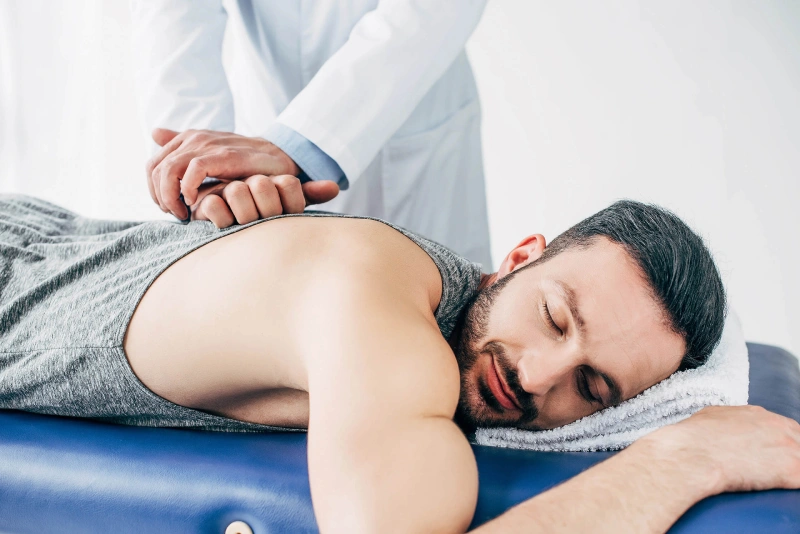
Ligaments stabilize the spine and pelvis. When strained, subtle instability develops. The body compensates with protective muscle tightening, reducing efficiency and perpetuating dysfunction.
Fascial Continuity
Fascia transmits force throughout the body. Restriction in this system can create pain patterns distant from the original injury site and alter movement mechanics.
Neurological & Autonomic Regulation
The cervical spine is a neurological gateway influencing balance, coordination, sleep, digestion, heart rhythm, and stress regulation. When these systems remain dysregulated, recovery stalls.
Our clinical focus is coordinated recovery — not temporary symptom suppression.
- Precision Treatment

Why Neuromodulation (Electro-Acupuncture)
Electro-acupuncture is used as a precise neuromodulation tool — not a generic pain treatment. The objective is coordinated recovery at the structural and neurological level.
Fascial Repair
Restoring tissue glide and elastic integrity
Ligament Stabilization
Supporting structural stability patterns
Circulatory Support
Enhancing blood flow for tissue repair
Pain Modulation
Neurological pain signal regulation
Parasympathetic Activation
Calming the nervous system for deep recovery
- What to Expect
Comprehensive Evaluation
Your visit goes beyond a surface-level assessment. We examine the full scope of accident-related changes to build a precise recovery plan.

Your Visit Includes:
Accident Mechanism Review
Detailed review of impact dynamics and symptom progression timeline
Orthopedic Testing
Targeted orthopedic assessments when clinically indicated
Full Spinal Assessment
Evaluation of cervical, thoracic, lumbar, and sacral alignment
Seatbelt Force Pattern Evaluation
Assessment of shoulder and chest wall impact from restraint forces
Neurological & Autonomic Screening
Evaluation of nervous system regulation, balance, and coordination
Fascial & Ligament Assessment
Identifying restriction and instability patterns contributing to dysfunction
AcuGraph® Functional Tracking
When appropriate, we utilize the AcuGraph® system to measure electro-potential along acupuncture pathways — providing an objective, data-driven layer to your care.
This allows us to:
- Establish a measurable baseline at intake
- Reassess during treatment progression
- Document endpoint changes for records
- Guide treatment precision with additional data
 Your visit goes beyond a surface-level assessment. We examine the full scope of accident-related changes to build a precise recovery plan.
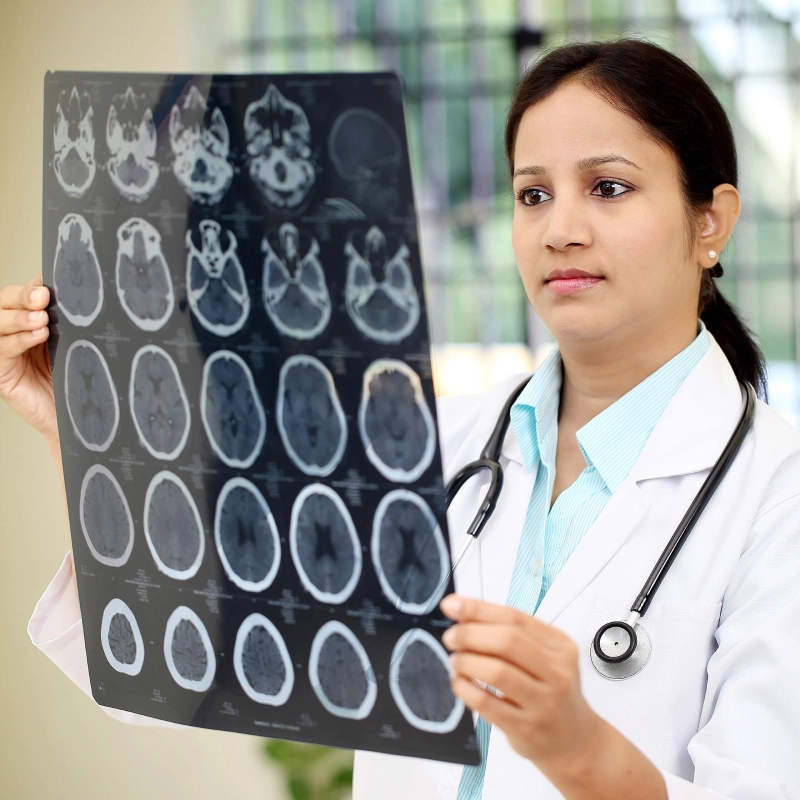
Normal imaging doesn’t rule out functional instability. Our evaluation identifies what scans miss.
- Phased Approach
Your Recovery Framework
Each case is individualized. Progress is reassessed throughout care to support organized healing tailored to your specific injury pattern and goals.
1
Phase 1 — Stabilization & Autonomic Regulation
The initial focus is calming the nervous system and stabilizing affected structures. Protective tension patterns that formed during impact are addressed to prevent compensation from becoming entrenched. Autonomic regulation is prioritized to support sleep, stress response, and foundational healing capacity.
2
Phase 2 — Structural Integration & Mobility Restoration
As stability improves, care transitions to restoring fascial glide, joint mobility, and efficient movement patterns. Ligament support and circulatory enhancement help tissues rebuild with strength and coordination rather than compensatory restriction.
3
Phase 3 — Functional Return & Continued Regulation
The final phase supports your confident return to work, school, daily life, and the activities you value. Continued regulation ensures that improvements hold as demands increase — helping you return with durability, not fragility.


Why Timing Matters
Protective tension patterns begin immediately after trauma. When structural instability and autonomic dysregulation are addressed in a timely manner, recovery tends to be more efficient and less complex.
Early, structured care helps you return to work, school, daily life, and the activities you value — with greater confidence and less complexity.

- Your Practitioner
Stephen Schleipfer, L.Ac.
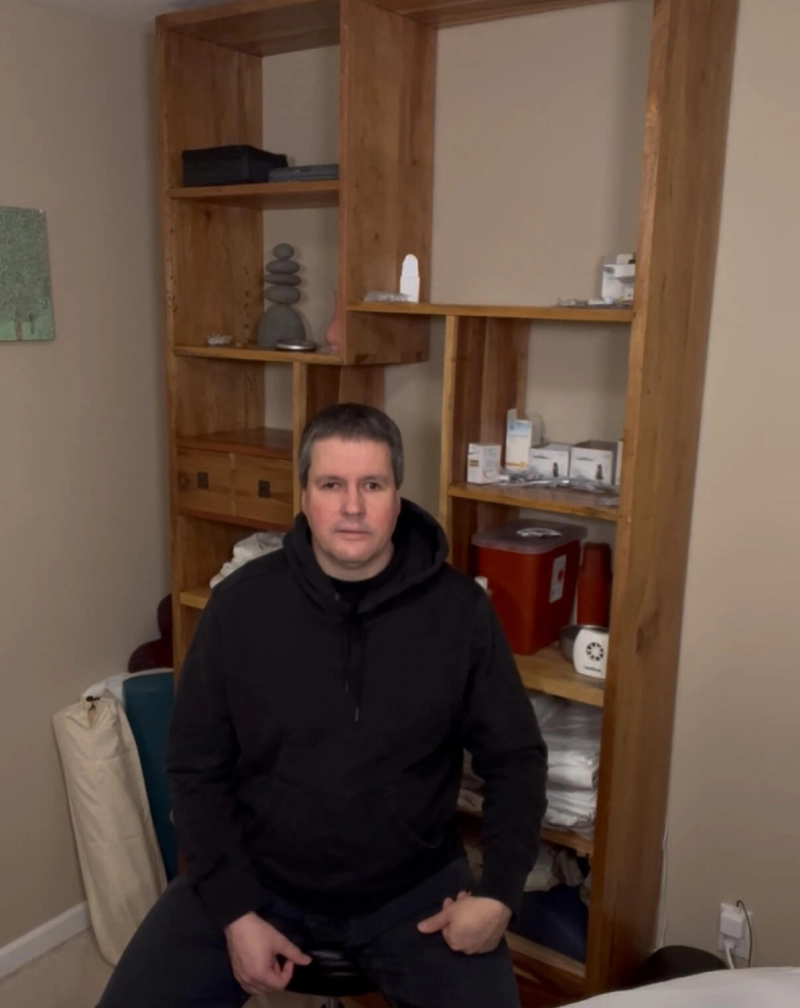
Stephen specializes in electro-acupuncture neuromodulation with a focus on structural recovery, fascial repair, and autonomic regulation. His approach combines precision assessment with phased treatment protocols designed for lasting results — not just temporary relief.
- Get Started
Request Your MVA Evaluation
Fill out the form below and our team will reach out to schedule your comprehensive evaluation. If you prefer, you can also book directly online or call us.
Insurance & Billing
Oregon PIP (Personal Injury Protection) typically covers accident-related treatment regardless of fault. Our office assists with benefit verification, billing coordination, and structured documentation for claims.
Request an Appointment
We respond to all inquiries within one business day.
- Common Questions
Frequently Asked Questions
Do I need a referral to start treatment?
In most cases, no. Patients can schedule directly. If you are working with an attorney or medical provider, we can coordinate as appropriate to ensure continuity of care and proper documentation.
Will my auto insurance cover treatment?
In Oregon, Personal Injury Protection (PIP) often covers accident-related treatment regardless of fault. Our office assists with benefit verification and billing coordination so you can focus on recovery rather than paperwork.
What if my imaging was normal?
Normal imaging does not rule out functional instability, ligament strain, fascial restriction, or autonomic dysregulation. Many post-accident symptoms are functional in nature and may not appear on standard scans. Our evaluation is designed to identify these patterns.
How soon should I begin care after an accident?
The sooner the better. Starting early helps address structural and neurological changes before compensation patterns become established. Early intervention typically results in more efficient recovery and reduces the likelihood of chronic symptoms developing.
Can this help if my accident was months ago?
Yes. Many patients seek care later due to persistent or worsening symptoms. A structured evaluation and phase-based treatment plan can still address ongoing dysfunction, improve stability, and help you regain quality of life — even months after the initial accident.
Will the treatment be painful?
Treatments are typically well tolerated and designed to support regulation and repair — not provoke discomfort. Most patients find sessions relaxing and notice cumulative improvement over the course of their treatment plan.
Ready to Begin Your Recovery?
Structured care starts with a thorough evaluation. Schedule your MVA assessment and take the first step toward organized, lasting recovery.